
CIVIL APPEALSPersuasion built for the appellate courts
LIBERMAN LAW is an Atlanta-based boutique firm focused on civil appeals, embedded appellate counsel, and real estate litigation throughout Georgia. We bring disciplined issue selection, rigorous research, and clear, persuasive briefing to every matter.
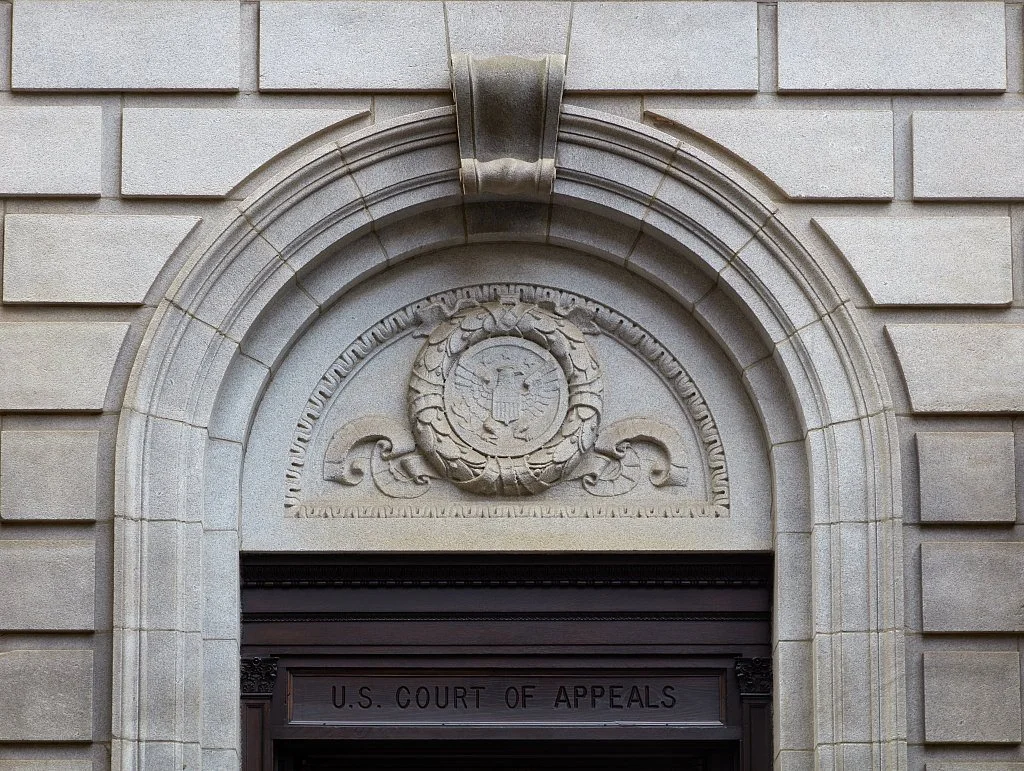
Why LIBERMAN LawGrounded Strategy. Meticulous Briefing.
We provide candid evaluations, focused legal analysis, and clear guidance, so clients and trial counsel can make confident decisions at every stage of a matter.
Disciplined issue selection and precise record analysis
Trial support designed to preserve and protect appellate issues
Clear, persuasive briefing and motion practice
Our appellate work has resulted in numerous published opinions and successful reversals in the Georgia Court of Appeals. We also help trial counsel shape issues and preserve errors so strong arguments are ready if a case results in an appeal.
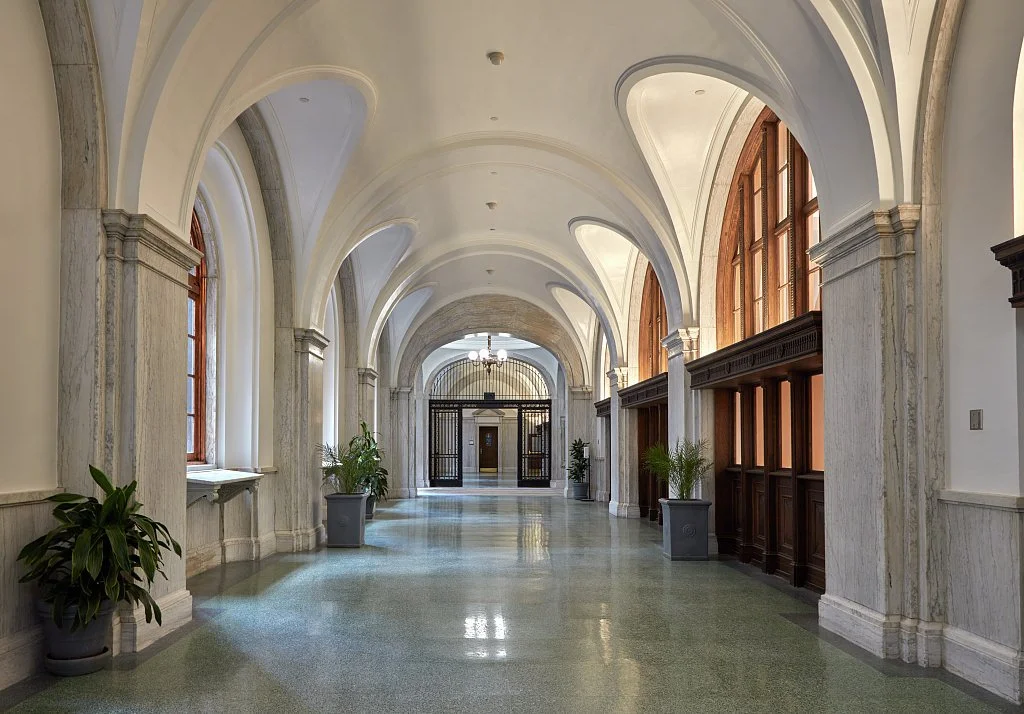
Areas of Practice

Civil Appeals
If a trial court made a legal error that affected the outcome, we evaluate the record and pursue a focused, well-briefed appeal in Georgia’s appellate courts.

Embedded Appellate Counsel
We partner with trial counsel to sharpen legal theories, brief key motions, and preserve issues for appeal from early litigation through trial and post-trial.

Real Estate Disputes
We represent clients in real estate litigation involving contracts, fraud, boundary conflicts, construction defects, and other property-related disputes throughout Georgia.

HOA Disputes
We advise and represent homeowners and associations in covenant enforcement, governance disputes, fair housing issues, and related litigation and appeals.

business & employment Disputes
We handle commercial and employment disputes, including restrictive covenants, with early risk assessment and strong, practical case strategy.

Julie A. LibermanMeet Julie
Julie Liberman is a Georgia appellate and litigation attorney with over twenty-five years of experience representing individuals, businesses, and community associations in civil appeals, embedded appellate counsel engagements, and complex real estate and HOA disputes.

Insights on Georgia appellate
and property law
Brief, practical commentary on new cases and issues that matter to property owners, trial attorneys, and community associations.
{sync=/articles}
-
![A woman with short blonde hair wearing an orange sleeveless top and beige pants sitting on a bench, writing in a notebook. There is a potted plant and a framed artwork with abstract shapes and shadows on the wall beside her.]()
Monet Goode
-
![A middle-aged Asian man with slicked back gray hair sitting on a beige cushioned bench, looking to the left with a calm expression, wearing a blue short-sleeved sweater and beige pants, with a shadow cast on the wall behind him.]()
Emmett Marsh
-
![A woman with wavy dark hair sitting on a bench against a wall with shadow patterns, wearing a sleeveless beige top and loose beige pants, in a modern room with wooden paneling.]()
Eleanor Parks
-
![A young man with dark skin and short black hair sitting on a beige bench against a beige wall, wearing a gray polo shirt and cream-colored pants, looking away with a contemplative expression.]()
Karl Holland





Serving clients throughout GeorgiaRequest a Consultation
If you are considering an appeal, desire embedded appellate support, or are facing a real estate or HOA dispute, we invite you to contact our office.